Curious what you could save?
Enter your postcode and receive a no-obligation proposal within 24 hours.
Where can we help you even more?
Discover our sustainable energy services, from solar panels to commercial energy storage.

Transport costs make up 30-50% of your commercial energy bill (according to Netbeheer Nederland, 2025). And those costs are determined by your highest peak demand - not your average consumption. A single 15-minute peak in an entire year sets your rate for 12 months. Peak shaving with a battery shaves off those peaks. The result: your contracted capacity drops, your transport costs drop with it. At Anteas, we calculate exactly how much your business saves, with conservative assumptions your accountant can use right away.
Inzicht in 30 seconden · Vrijblijvend
Your grid operator (Liander, Stedin or Enexis) calculates your transport costs based on your contracted capacity - that's your maximum peak demand in kW. The higher that peak, the more you pay. And that peak only needs to last 15 minutes. A bakery firing up all ovens at 5am. A factory restarting all machines after lunch. A logistics company charging 20 trucks simultaneously in the evening. That single peak determines your rate for an entire year. Peak shaving with a commercial battery flattens those peaks. Your battery delivers power during the peak so your grid demand stays low. Contracted capacity drops, transport costs drop with it. Savings: EUR 5,000-30,000 per year, depending on your consumption profile and tariff structure (according to Netbeheer Nederland, 2025).
No-obligation quickscan - we analyse your consumption profile and calculate peak shaving savings

Peak shaving literally means 'shaving peaks'. A BESS (Battery Energy Storage System) detects via the EMS (energy management system) when your business approaches a peak demand. At that moment, the battery delivers power so your grid demand stays below your contracted capacity. The battery recharges when demand is low - at night, during weekends, or when your solar panels produce surplus. The entire process is automated. You won't notice anything, except on your energy bill.

Dutch grid operators calculate transport costs based on your contracted capacity (kW). How that tariff is determined varies by grid operator and connection type. For large consumer connections (> 3x80A), kW tariffs increase as you draw more power. Reducing your contracted capacity from 200 kW to 120 kW saves thousands of euros per year in transport costs alone. Add savings on energy tax and grid losses on top.
Peak shaving vraagt om een systeem dat jouw piekprofiel kan absorberen - niet meer, niet minder. De juiste keuze hangt af van de hoogte en duur van je pieken, je GTV-tarief en de vermogensratio (C-rate). Dit zijn vijf systemen die we regelmatig inzetten voor peak shaving bij MKB en industrie.
Inzicht in 30 seconden · Vrijblijvend
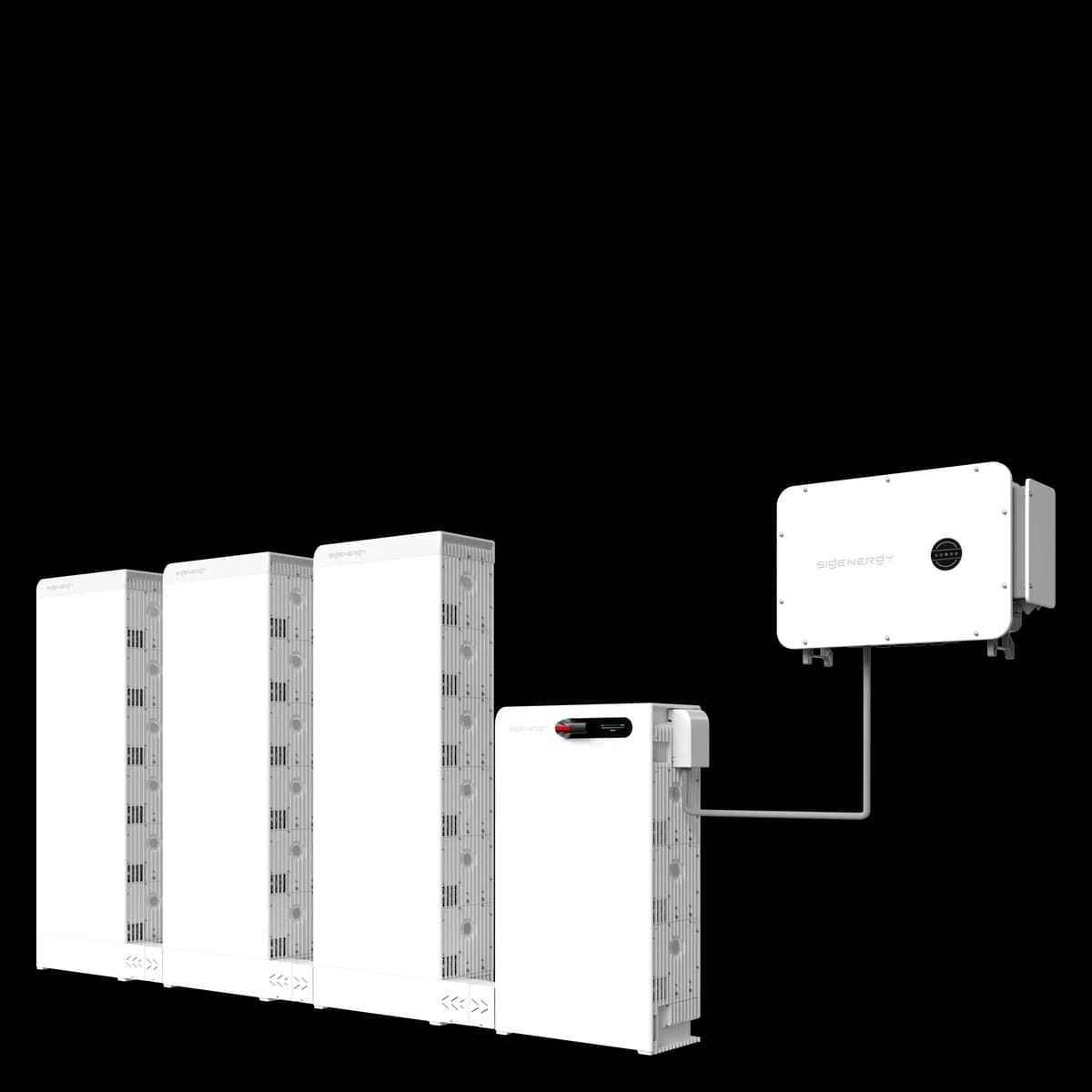
Modulair DC-gekoppeld stacksysteem voor MKB en C&I. Groeit mee met je bedrijf: begin met 50 kWh, schaal door naar 253 kWh per stack zonder extra PCS.
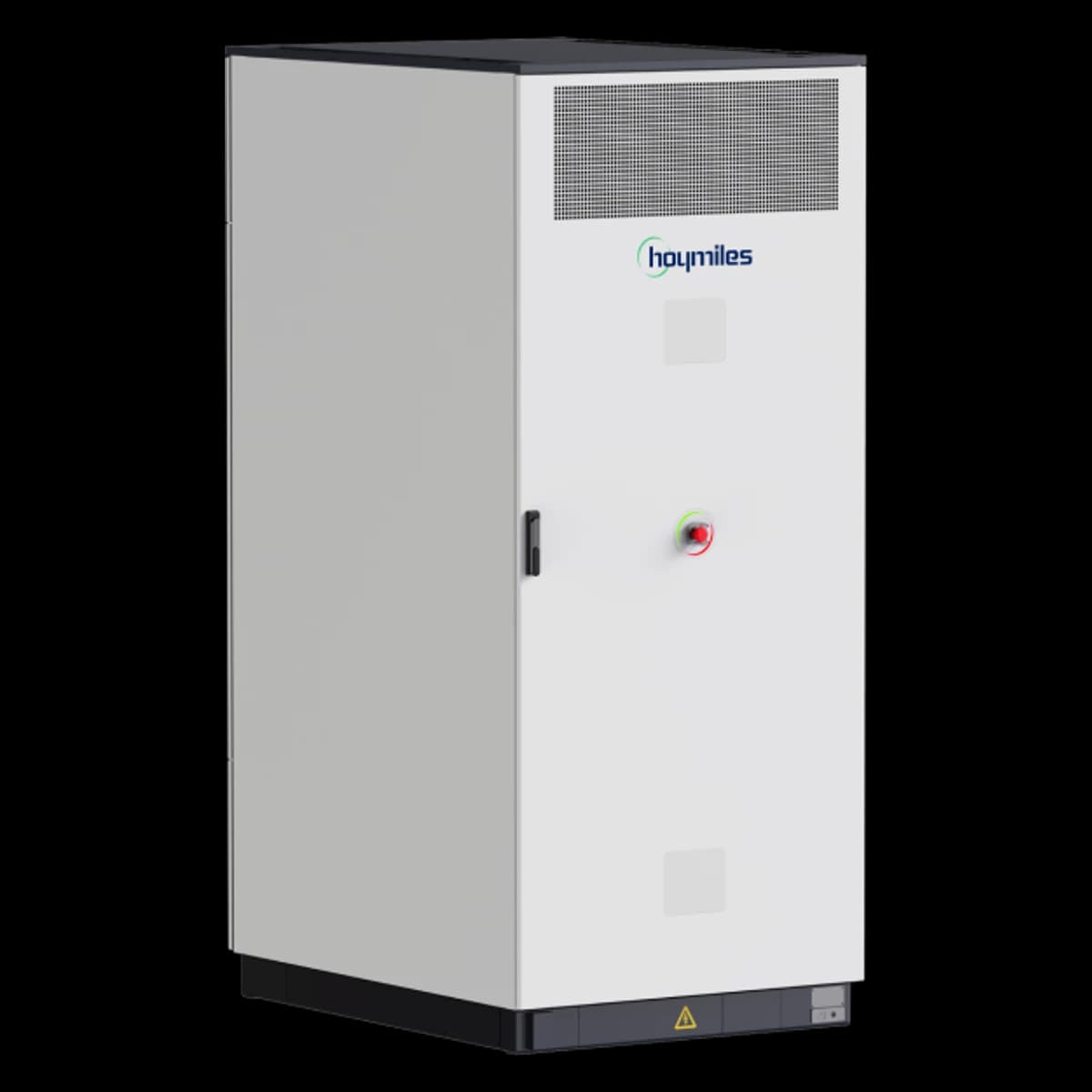
Kant-en-klare Smart String ESS-kast met 215 kWh. Pack-level optimalisatie, vloeistofgekoeld en Thermal Runaway Suppression Device (TRSD) in de Series 2. Tot 20 units parallel schakelbaar.
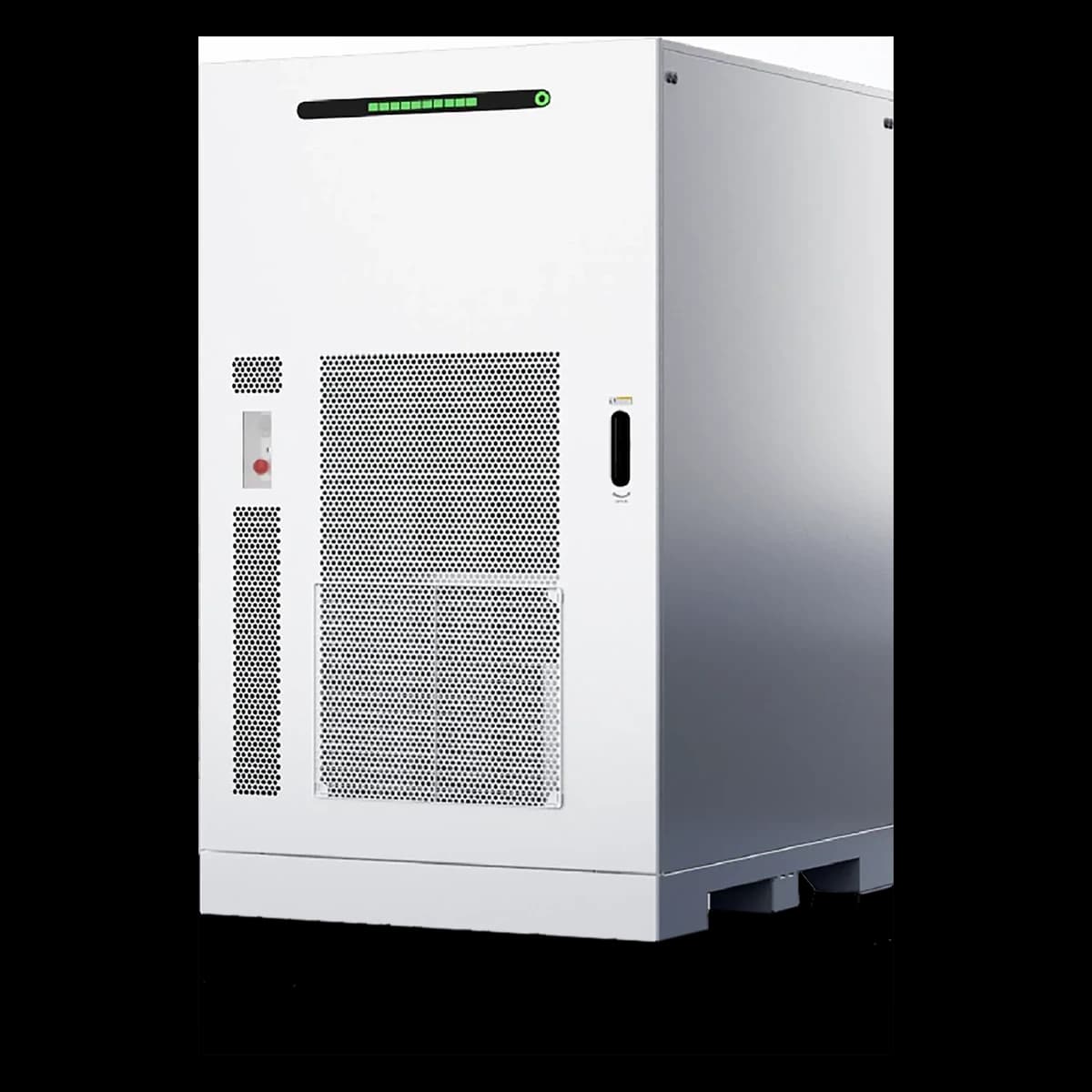
All-in-one vloeistofgekoelde C&I-cabinet met PCS, BMS, TMS en batterij in een kast. Hoge vermogensdichtheid en 15+ jaar ontwerp-levensduur, ook in zoute of stoffige omgevingen.
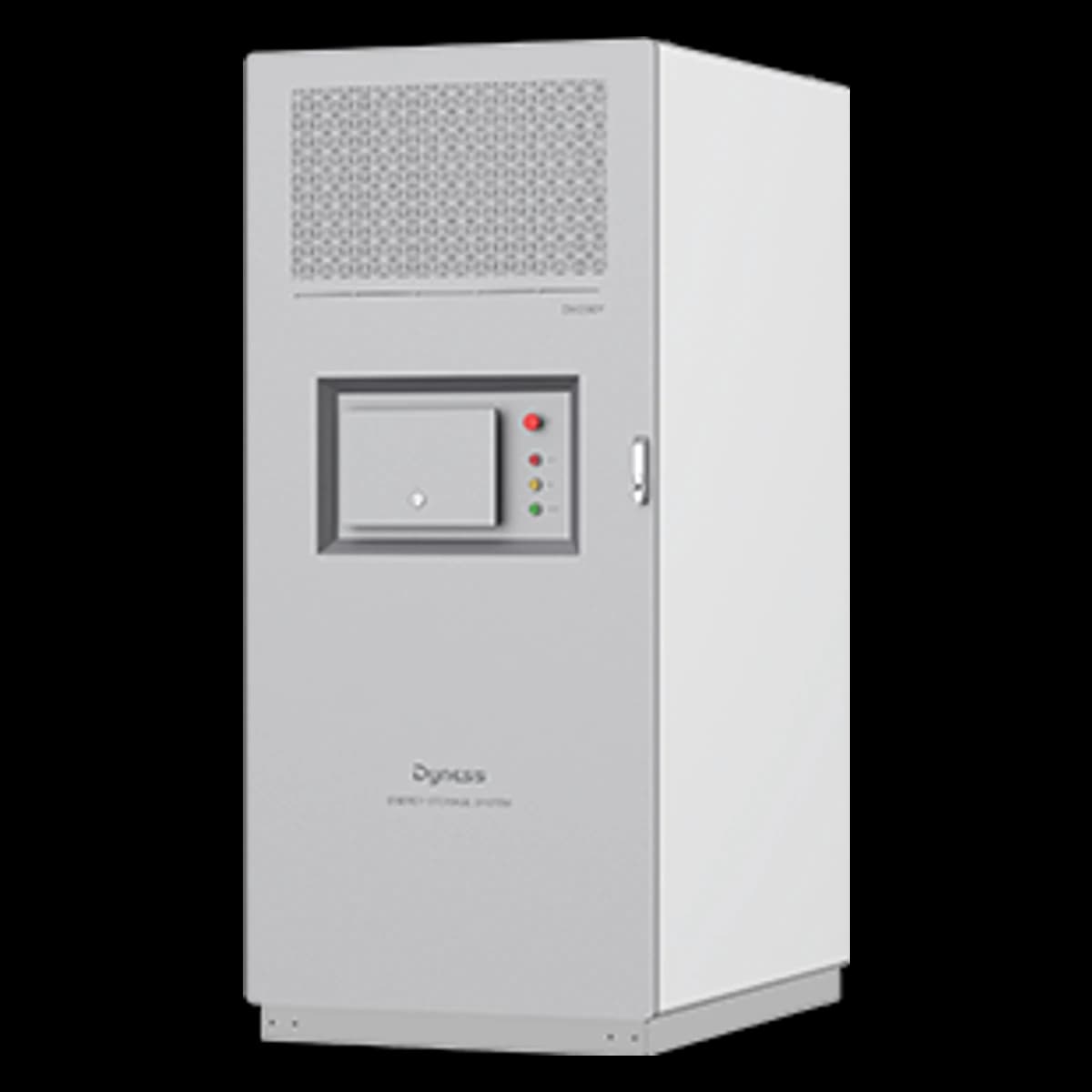
All-in-one high-voltage cabinet met vloeistofkoeling op cluster-niveau en triple-level brandbeveiliging. Compacte footprint van 1,58 m² per cabinet, uitbreidbaar tot 2,3 MWh.
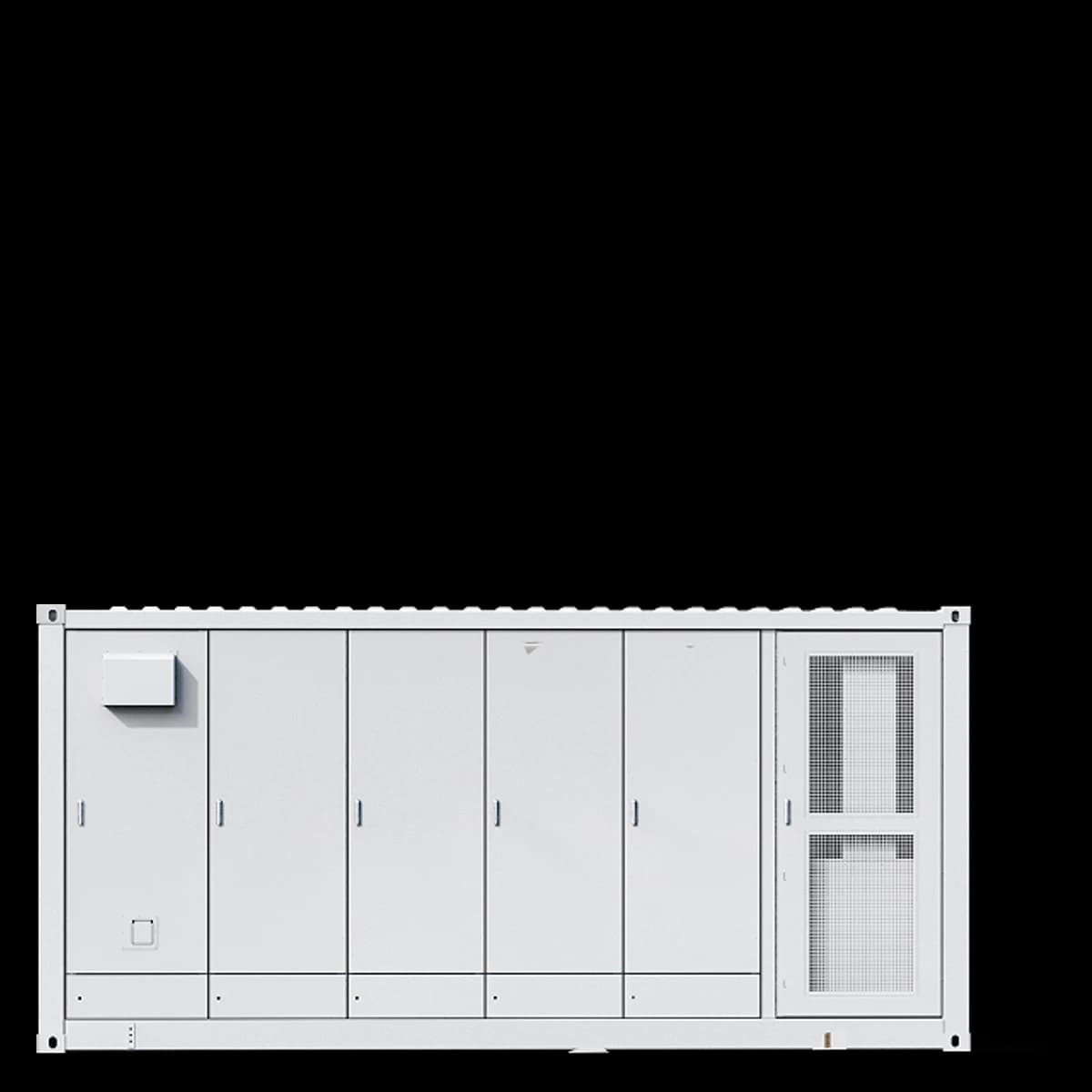
Volledig geintegreerde LFP-batterijcontainer voor grootschalige C&I- en utility-projecten. Non-walk-in design, vloeistofgekoeld en geen derating tot 45°C. Beschikbaar als 1 MW/2 MWh of 3,44 MWh.
Imagine: your business has a large consumer connection of 200 kW. Your peak consumption is 180 kW, but on average you only use 60 kW. That single peak determines your transport costs. Here's what changes with peak shaving:
Inzicht in 30 seconden · Vrijblijvend
Most installers deliver a battery and leave you to figure out peak shaving yourself. We analyse your consumption profile, design the system, and optimise the EMS settings to the kW. That difference: on average 15-25% more savings than a standard installation.
Inzicht in 30 seconden · Vrijblijvend
we analyse 12 months of smart meter data to map your peaks and savings potential
Huawei, Sigenergy, Cellpower, Dyness or AEG, chosen based on your situation, not our margin
the energy management system is specifically tuned to your consumption pattern, not default settings
Not every business has the same peaks. But in these situations, the business case is nearly always positive.
Inzicht in 30 seconden · Vrijblijvend
Machines starting simultaneously after a break or shift change create short, high peaks. A bakery firing up all ovens at 5am. A metalworking shop restarting all CNC machines after lunch. Those peaks last minutes but determine your rate for a year. Peak shaving tackles exactly those moments.
20 trucks charging simultaneously in the evening creates an enormous peak. With peak shaving, the battery spreads that charging overnight. Combine with your commercial charging infrastructure for maximum savings.
A constant high base consumption with occasional peaks (defrost cycles, backup generators) is the ideal profile for peak shaving. The battery only needs to cover the delta between base and peak.
On a cloudy day, your solar panels suddenly produce less. Your business draws the difference from the grid - an unexpected peak. A battery absorbs those fluctuations so your grid demand stays stable.
You want to expand but your grid connection is full. 14,044 businesses are waiting for grid expansion (according to Rabobank, 2025). Peak shaving lowers your peak demand within your current connection, so you can grow without waiting.
From consumption analysis to operational savings. No surprises, guaranteed final price after technical survey.
We analyse your consumption profile, peaks and transport tariffs. Within 48 hours you'll have an initial estimate of your peak shaving savings. Including a comparison with the battery investment costs.
Based on 12 months of smart meter data, we map your consumption pattern. We determine the optimal battery capacity (kWh) and power (kW) for peak shaving. Brand-independent: the right battery for your peaks. Including subsidy options and EIA application. Guaranteed final price after technical survey.
Our professionals install the system in compliance with NEN 1010 (electrical safety standard) and PGS 37 (lithium-ion storage guideline). The EMS is specifically configured for your peaks: threshold values, charging times and discharge strategy. Average lead time: 6-12 weeks after order.
After delivery, we monitor peak shaving performance. Has your consumption pattern changed? We adjust the EMS. You get real-time insight into your savings via the dashboard. And we report quarterly on system performance.
Read our articles on home batteries, net metering and energy savings.
The investment for a peak shaving system depends on the size of your peaks and the required battery capacity. The larger the peak you want to shave, the more power (kW) and capacity (kWh) you need. Indicative price ranges for the Dutch market in 2026: - Shaving peaks of 30-50 kW: from EUR 30,000 (50-80 kWh system) - Shaving peaks of 50-100 kW: EUR 50,000-100,000 (80-200 kWh system) - Shaving peaks of 100-200 kW: EUR 100,000-250,000 (200-500 kWh system) With EIA (40% tax deduction), the effective investment comes out significantly lower. On a EUR 100,000 investment, you effectively pay EUR 60,000 after EIA. The payback period for peak shaving is therefore 3-5 years. The final price is guaranteed after technical survey - no additional costs afterwards. Price indications are excluding VAT and depend on the specific situation.
Inzicht in 30 seconden · Vrijblijvend
Peak shaving and load shifting are often confused, but they're two different strategies. Peak shaving reduces your peaks, load shifting moves consumption to cheaper times. A smart energy management system combines both for maximum savings:
| Criterion | Anteas | Others |
|---|---|---|
| Goal | Peak shaving: reduce your maximum grid demand (kW) | Load shifting: move consumption from expensive to cheap hours |
| Savings mechanism | Lower transport costs through lower contracted capacity | Lower energy costs through consumption at cheap moments |
| Battery needed? | Yes - the battery delivers power during the peak | Not always - sometimes process scheduling or smart charging suffices |
| Response time | Within seconds - the battery responds directly to peaks | Minutes to hours - consumption is planned ahead |
| Suitable for | Businesses with high, short peaks (manufacturing, EV charging, cooling) | Businesses with flexible consumption (washing, heat pumps, charging) |
| Savings | EUR 5,000-30,000/year on transport costs | EUR 2,000-10,000/year on energy procurement (energy arbitrage) |
| Combination | Maximum effect: peak shaving + load shifting + imbalance market in an integrated EMS | Maximum effect: combine with peak shaving for double savings |
Inzicht in 30 seconden · Vrijblijvend

Peak shaving isn't equally profitable for every business. It pays off most when you have short, high peaks that far exceed your average consumption. The bigger the difference between your peak and your base, the more you save. We calculate it honestly - even if the answer is that peak shaving isn't profitable enough in your situation.
Dutch grid operators increase transport tariffs year after year. The electricity grid is full - 14,044 businesses are on the waiting list for grid expansion (according to Rabobank, 2025). Grid expansion costs are passed on to all users. Businesses that reduce their peaks with peak shaving pay lower transport costs and contribute to relieving grid congestion. TenneT expects the Netherlands needs 9 GW of battery capacity by 2030 to keep the grid stable (according to TenneT, 2025). The government stimulates battery storage with EIA (40% tax deduction), MIA/Vamil and Flex-E. Those subsidy budgets are finite. Those who invest now still benefit from current budgets and current battery prices. Wait? You can. But China halved export subsidies on batteries as of 1 April 2026 and they disappear entirely by 1 January 2027 (according to Energienerds, 2026). Expected price increase: 10-15%.
Inzicht in 30 seconden · Vrijblijvend

Only brands we stand behind











Don't see your question here? Feel free to get in touch and we'll help you further.
The Energy Act 2026 brings changes to how grid operators calculate transport tariffs. The law encourages flexible consumption and penalises peaks more heavily. This is expected to make peak shaving even more profitable than it already is. At the same time, the law opens new possibilities for direct participation in energy markets. Businesses with battery storage and an energy management system are best positioned to benefit from these changes. Want to know how the Energy Act affects your business case? Our free quickscan includes the current regulatory framework.
In a free quickscan, we analyse your consumption profile, peaks and transport tariffs. You'll receive an initial estimate of your peak shaving savings, including the battery investment and subsidy options. Conservative assumptions, made to share with your accountant or CFO. No obligations, no sales pitch. Prefer to talk first? Schedule a call, also no obligation.
Inzicht in 30 seconden · Vrijblijvend
Laatst bijgewerkt: 2 april 2026
 Geschreven door Laurens Goeree · Energie-adviseur