Curious what you could save?
Enter your postcode and receive a no-obligation proposal within 24 hours.
Where can we help you even more?
Discover our sustainable energy services, from solar panels to commercial energy storage.
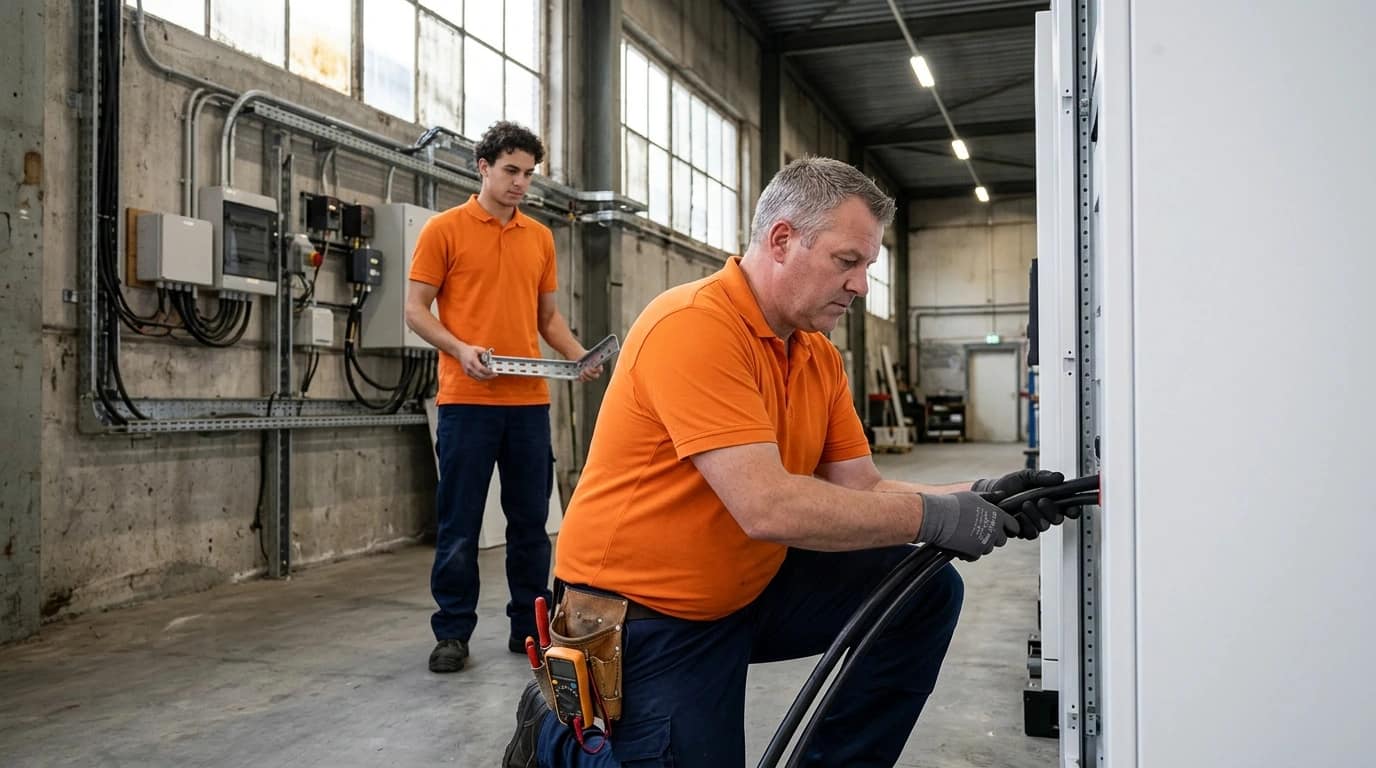
14,044 businesses are on the waiting list for a heavier grid connection. A commercial battery bypasses that queue entirely. With energy storage you capture surplus solar power, shave energy peaks (peak shaving), and earn additional income on the imbalance market. Result: lower energy costs, less dependence on the grid, and a payback period of 3-7 years. Anteas designs brand-independent systems based on your consumption profile - not based on which brand we prefer to sell.
Inzicht in 30 seconden · Vrijblijvend
The electricity grid in the Netherlands is congested. Grid operators can't keep up with demand, and that affects your business directly: no heavier connection, no expansion, rising tariffs. A commercial battery solves three problems at once. You store surplus solar power for your own use. You shave energy peaks and avoid expensive peak tariffs. And you earn additional income by trading smartly on the imbalance market. The Dutch battery market grew to 1 GWh of storage capacity in 2024, with more than 3,000 MWh under construction (Energy Storage NL, 2025). The number of large-scale systems doubled from 40 to 84 in a single year. This is no longer an experiment - it's mainstream.
No-obligation quickscan - we calculate the business case for your specific situation

A commercial battery doesn't earn money in just one way - but in four simultaneously. That's called value stacking, and it's why payback periods keep getting shorter. At Anteas, we calculate each revenue stream separately, using conservative assumptions. So your accountant can actually work with the numbers.

The Dutch government incentivises commercial energy storage through tax schemes. The EIA (Energy Investment Allowance) delivers up to 40% tax deduction, with a minimum of EUR 2,500 per investment. There's also MIA/Vamil (environmental investment allowances), SDE++ (operating subsidy), and Flex-E. Note: EIA and MIA cannot be combined, but EIA + Vamil can. Subsidy rules may change.
Van een modulair systeem van 50 kWh tot een container van meerdere MWh: de juiste keuze hangt af van je verbruiksprofiel, piekbelasting en ruimte op het terrein. Anteas adviseert merkonafhankelijk en berekent per systeem de businesscase. Dit zijn vijf systemen die we regelmatig inzetten bij MKB en industrie.
Inzicht in 30 seconden · Vrijblijvend
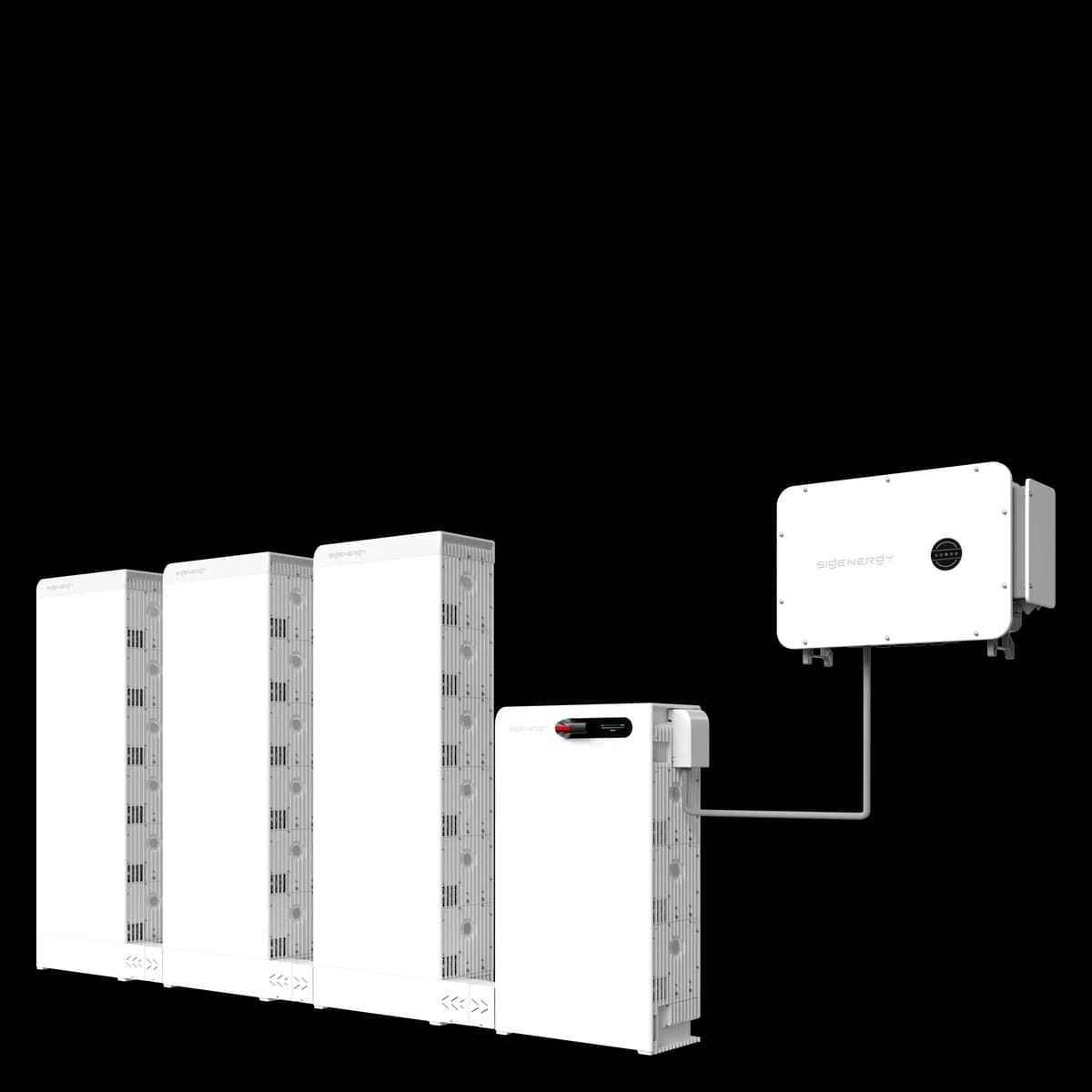
Modulair DC-gekoppeld stacksysteem voor MKB en C&I. Groeit mee met je bedrijf: begin met 50 kWh, schaal door naar 253 kWh per stack zonder extra PCS.
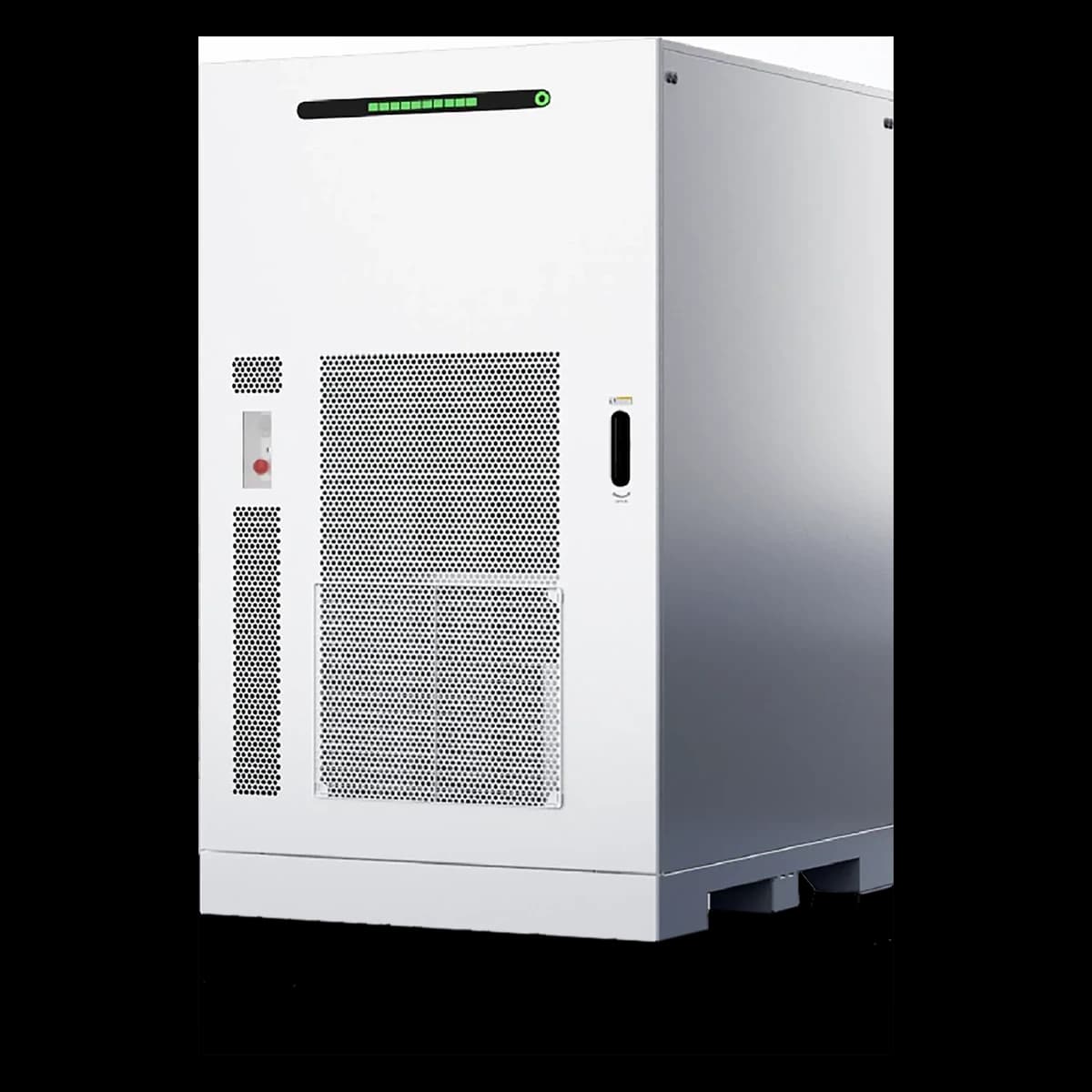
Kant-en-klare Smart String ESS-kast met 215 kWh. Pack-level optimalisatie, vloeistofgekoeld en Thermal Runaway Suppression Device (TRSD) in de Series 2. Tot 20 units parallel schakelbaar.
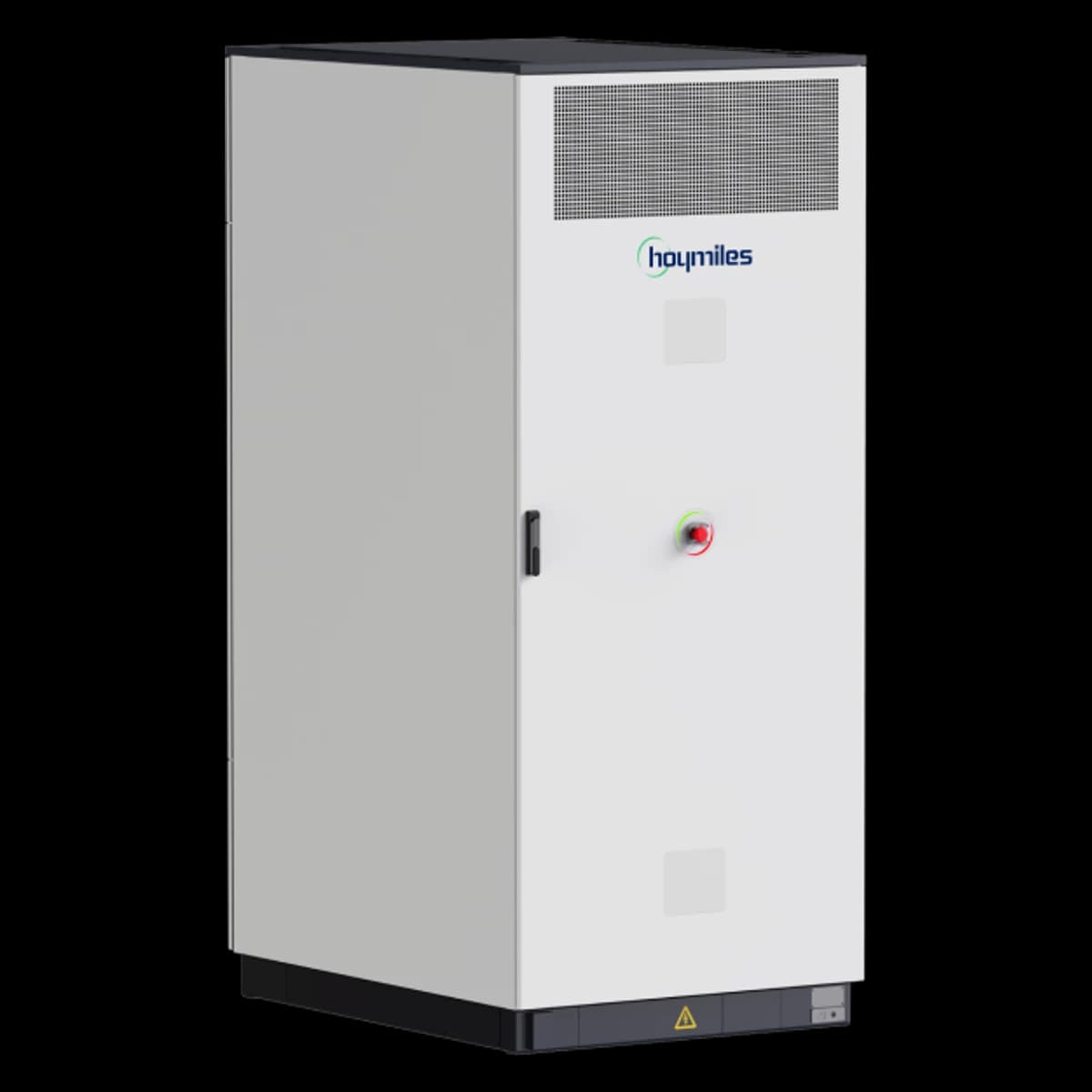
All-in-one vloeistofgekoelde C&I-cabinet met PCS, BMS, TMS en batterij in een kast. Hoge vermogensdichtheid en 15+ jaar ontwerp-levensduur, ook in zoute of stoffige omgevingen.
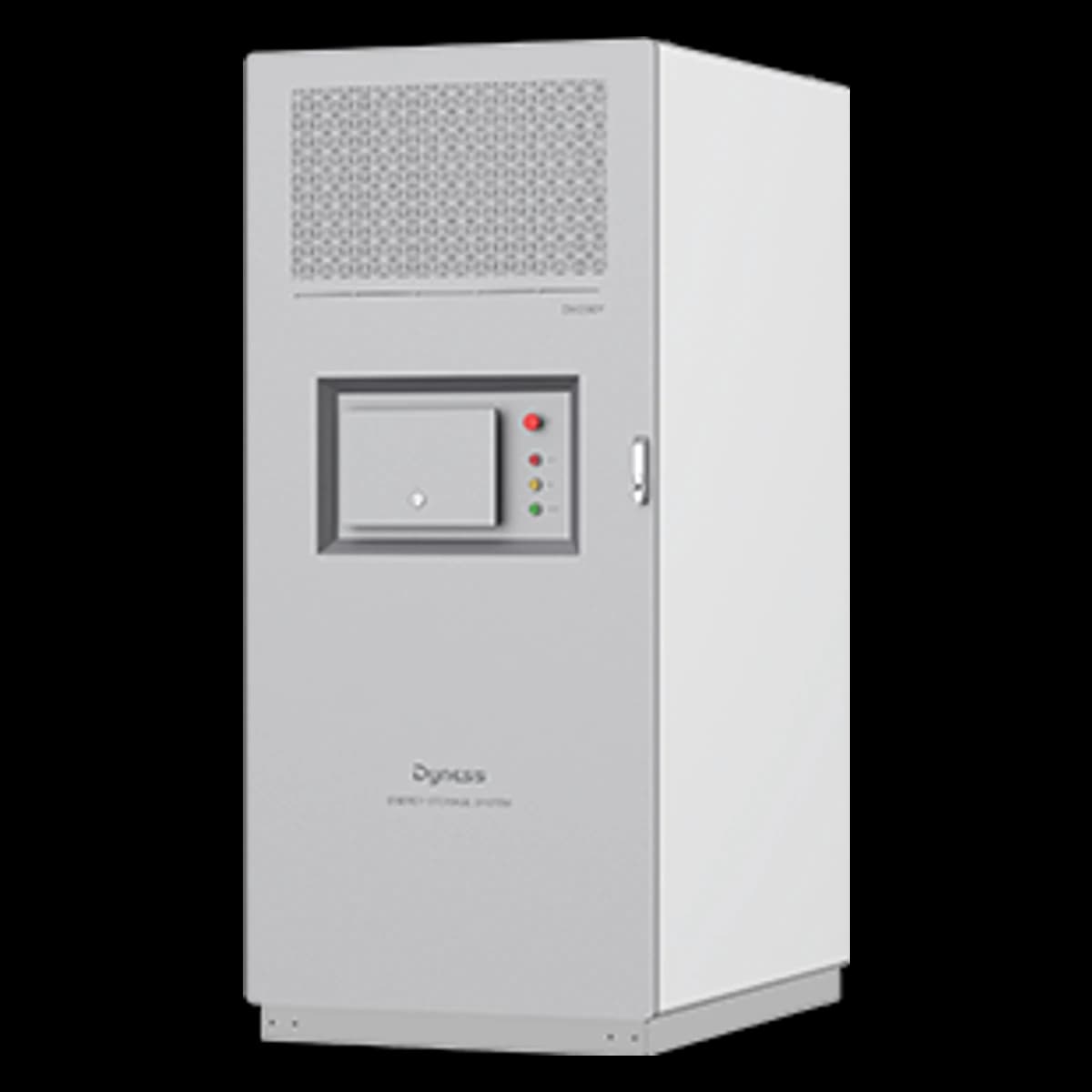
All-in-one high-voltage cabinet met vloeistofkoeling op cluster-niveau en triple-level brandbeveiliging. Compacte footprint van 1,58 m² per cabinet, uitbreidbaar tot 2,3 MWh.
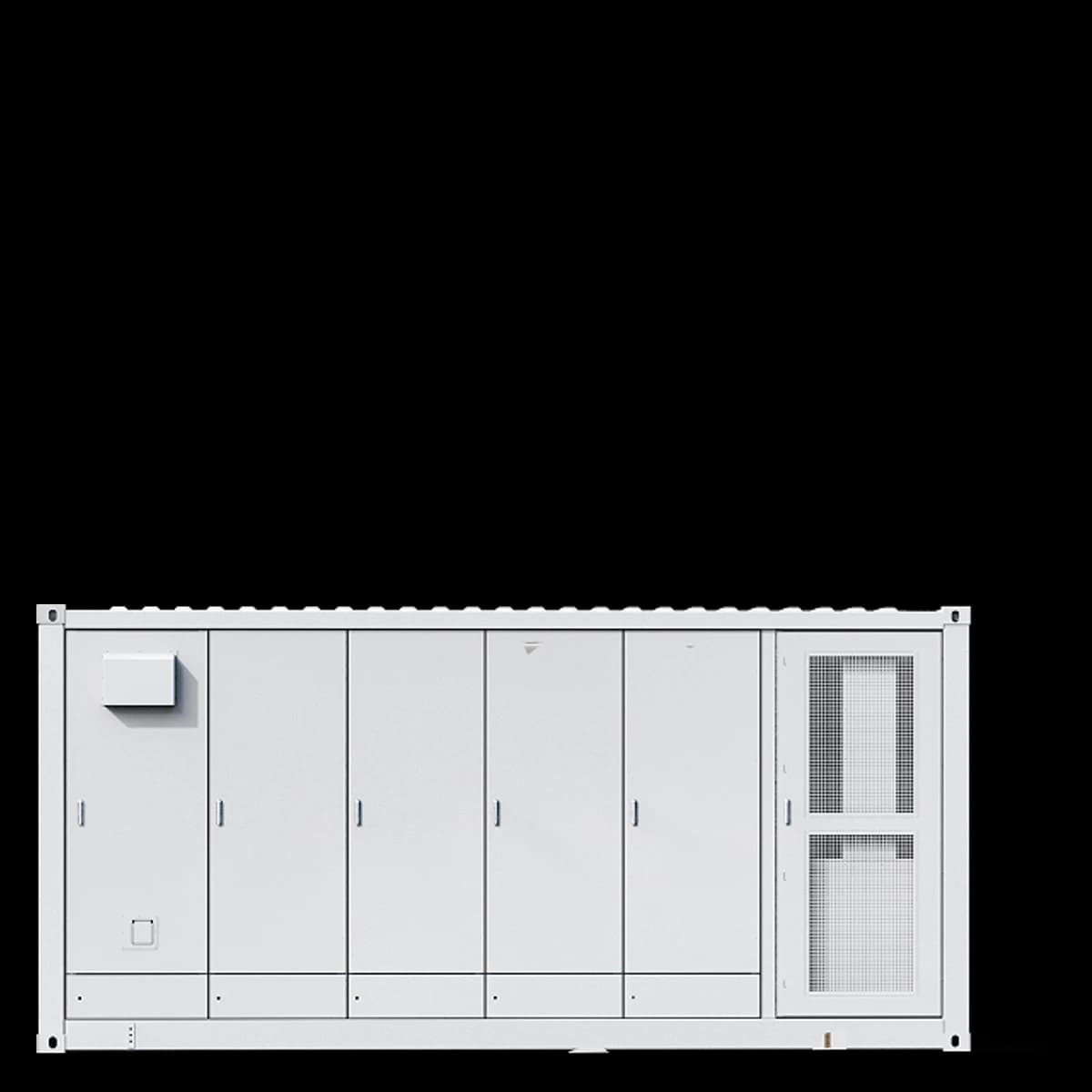
Volledig geintegreerde LFP-batterijcontainer voor grootschalige C&I- en utility-projecten. Non-walk-in design, vloeistofgekoeld en geen derating tot 45°C. Beschikbaar als 1 MW/2 MWh of 3,44 MWh.
Picture this: you pay EUR 40,000 per year in energy costs. You have solar panels that produce more than you consume during the day. And your grid connection is at its limit. Here's what changes with energy storage:
Inzicht in 30 seconden · Vrijblijvend
Most installers sell the brand they make the best margin on. We select the system that best fits your business. You'll notice that difference in the business case, the installation, and the years that follow.
Inzicht in 30 seconden · Vrijblijvend
we select from Huawei, Sigenergy, Cellpower, Dyness and AEG based on your situation, not our margin
you get an analysis with conservative assumptions that your accountant understands, not a sales pitch
transparent pricing with zero hidden costs
Rising energy tariffs, falling system prices, and growing subsidy budgets
Inzicht in 30 seconden · Vrijblijvend
14,044 businesses are on the waiting list for a heavier grid connection (Stibbe, 2025). With a battery you solve grid congestion without waiting years.
Transport costs and peak tariffs are rising faster than your energy consumption is falling. Peak shaving protects you against that cost increase.
Feed-in costs are rising. Every kWh you store instead of feeding back is worth more than it was a year ago. Combine your battery with your commercial solar panels for maximum value.
EIA, MIA/Vamil and SDE++ have annual budgets. First come, first served. The EIA budget was already exhausted before the end of 2025.
China halved battery export subsidies on 1 April 2026. They disappear entirely on 1 January 2027. Expected price increase: 10-15% (Energienerds, 2026).
More and more companies have to report on energy consumption and CO2 emissions. A battery measurably reduces your scope 2 emissions - that's not greenwashing, those are hard numbers.
From first conversation to a running system. No surprises, no hidden costs, and you know exactly where you stand at every step.
We analyse your consumption profile, grid connection and tariff structure. Within 48 hours you have an initial estimate of the business case - including expected savings and payback period.
A comprehensive analysis of your energy situation with conservative assumptions. Including value stacking (peak shaving, arbitrage, imbalance market), subsidy options and TCO calculation. Built for your accountant.
Based on the feasibility study we design the system. Brand-independent: we choose the battery, inverter and EMS that best fit your situation. Final price confirmed after technical survey.
Our own skilled professionals install the system. Average lead time: 6-12 weeks after order, depending on system size and permits. Connection, configuration and testing included.
After handover we monitor your system and fine-tune the settings. You get real-time insight into yields, and we adjust where needed. Optional: maintenance contract for maximum uptime.
Read our articles on home batteries, net metering and energy savings.
The investment for commercial energy storage depends on capacity, system configuration and installation complexity. Indicative price ranges for 2026: - 50-100 kWh: from EUR 50,000 - 100-250 kWh: EUR 75,000-150,000 - 250-500 kWh: EUR 150,000-300,000 - 500 kWh - 1 MWh+: custom, from EUR 250,000 With the EIA (40% tax deduction) or MIA/Vamil the effective investment comes out significantly lower. The final price is guaranteed after the technical survey - no surprises afterwards. Price indications are exclusive of VAT and depend on the specific situation.
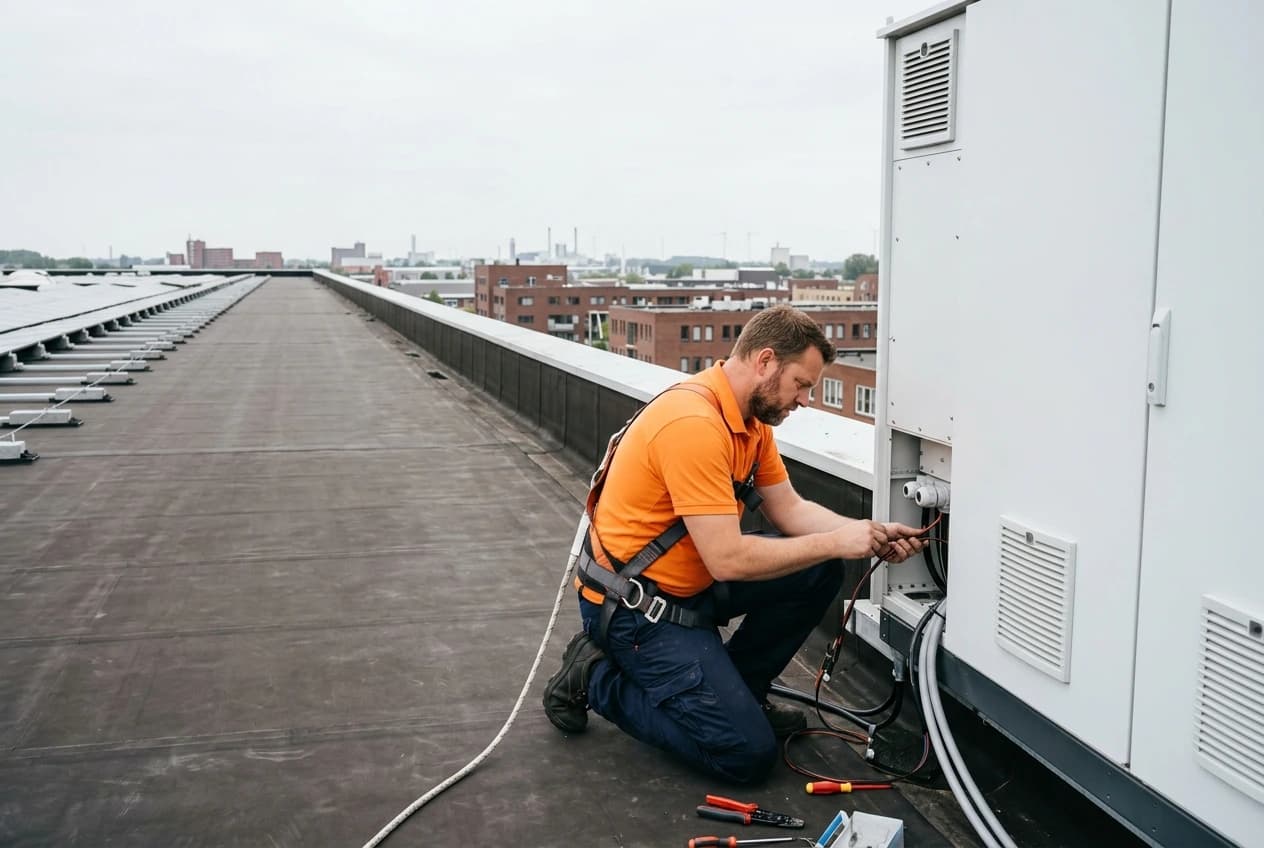
Inzicht in 30 seconden · Vrijblijvend
Most installers send you a price. We send you an analysis. Here's the difference:
| Criterion | Anteas | Others |
|---|---|---|
| Advice basis | Documented situation assessment with conservative assumptions | Quote based on a standard template |
| Brand selection | Brand-independent - Huawei, Sigenergy, Cellpower, Dyness, AEG | Tied to 1-2 brands (highest margin) |
| Business case | Value stacking: peak shaving + arbitrage + imbalance market + grid congestion | Hardware savings only |
| Subsidy support | EIA, MIA/Vamil, SDE++, Flex-E applications guided | Subsidies are your problem |
| After installation | Monitoring, optimisation, 48hr response time guaranteed | Invoice paid, done |
| Scale | 100% price match, 48-hour response time, zero hidden costs | Local installer, limited capacity |
| Price guarantee | Final price after technical survey | Additional charges afterwards |
Inzicht in 30 seconden · Vrijblijvend
Energy storage isn't profitable for every business. We'll tell you honestly if it doesn't fit. But for these situations the business case is almost always positive:
A grid upgrade takes an average of 4-7 years. That's not an option when you want to expand now, build a charging hub, or scale up production. A commercial battery gives you more capacity immediately - without waiting for the grid operator. Your current connection is used more intelligently: peaks are smoothed, troughs are filled. More capacity, same cable. Read more about grid congestion solutions with energy storage.
Inzicht in 30 seconden · Vrijblijvend

Only brands we stand behind











Don't see your question here? Feel free to get in touch and we'll help you further.
Commercial energy storage systems almost always use LFP cells (lithium iron phosphate). Why? LFP is safer than NMC (no thermal runaway), lasts longer (6,000+ cycles vs 3,000-4,000 for NMC), and raw material costs are lower. The trade-off: LFP has a lower energy density, so the system is physically larger. For commercial applications where space is rarely the issue, that's an acceptable deal. A lifespan of 15-20 years with daily use makes LFP the logical choice for commercial energy storage systems.
In a free quickscan we analyse your consumption profile, grid connection and subsidy options. You receive an initial business case with conservative assumptions - designed to share with your accountant or CFO. No obligations, no sales pitch.
Inzicht in 30 seconden · Vrijblijvend
Laatst bijgewerkt: 2 april 2026
 Geschreven door Laurens Goeree · Energie-adviseur